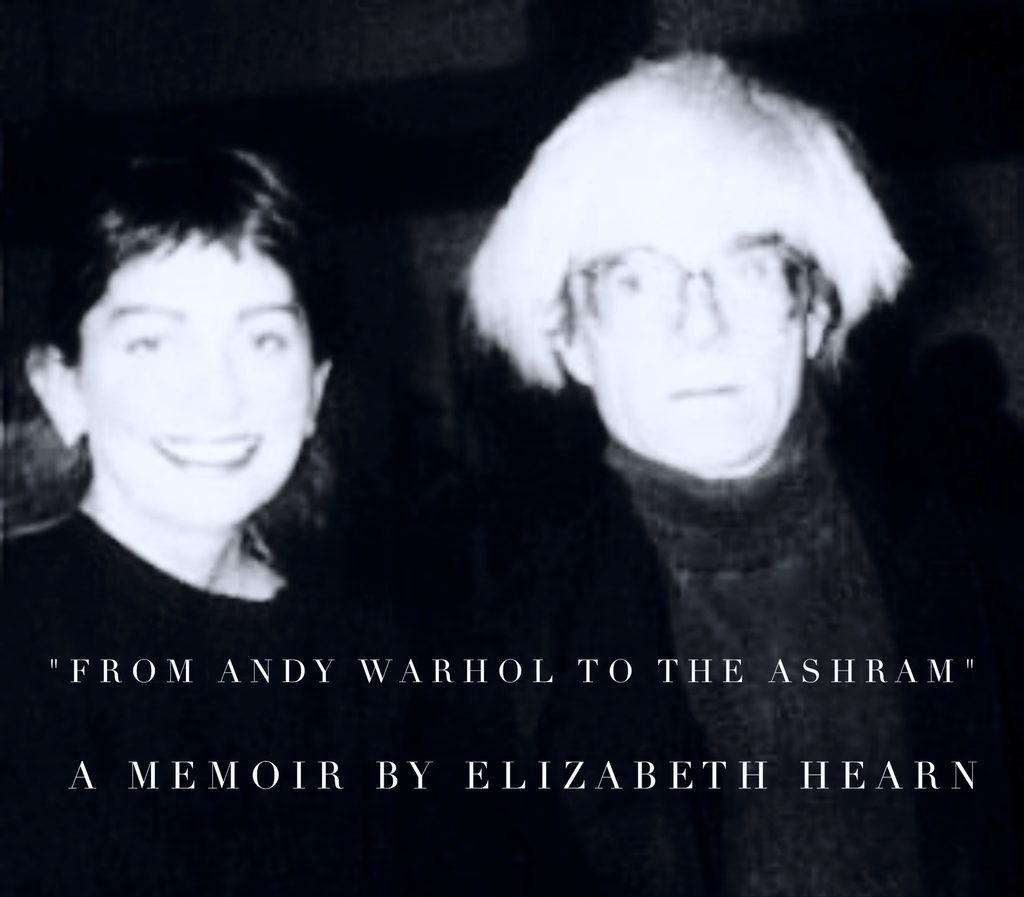
NYC, 1986–1987: Andy Warhol and I met at the fabulous Upper East-Side, Church of the Heavenly Rest at Easter, Thanksgiving, and Christmas. Andy was the “coffeepot” man. Eighty volunteers would show up with one primary purpose: service to others. An atmosphere of compassion filled the room, and people would always leave with a copy of Interview Magazine, many hugs, much kindness, humility, connection, and community.
This was the gentler, welcoming Andy I came to know, who many thought of as one of the worlds most important artists. Visiting this fabulous church later evolved into attending weekly Monday and Thursday A.A. meetings from 1988 to 1991.

“From Andy Warhol to the Ashram” is a spiritual memoir told through relationships — the guides, friends, teachers, and luminaries who appeared at my life’s darkest and most luminous crossroads: Andy Warhol, First Lady Betty Ford, Marianne Williamson, Meher Baba. Baba’s Eastern and Western Mandali, and the universal recovery fellowship.
A timeless meditation on many experiences that informed my life in two parts before and after recovery: love, loss, betrayal, joy, and grief a continuum of reminders me of life’s deepest wisdom comes through surrender, love, self-knowledge, compassion and courage.
At its heart is a simple truth — that healing happens in connection, and that love, offered without condition, is itself a spiritual practice. At a time in my life, ripe for spiritual inner growth, gradually became inseparable from my conscious connection with God.
The call of the soul, the expansion of truth, the mind to look inward, develop reason and existentialism, reason, discrimination, decision and choice.
Throughout the cycles of life, existential dilemmas occur prompted by involuntary circumstances. The first half of life establishes the creation of stability in love and work, the second; consciously living consciously, transforming through awakening, freedom from effects of living behind the veils of illusion.
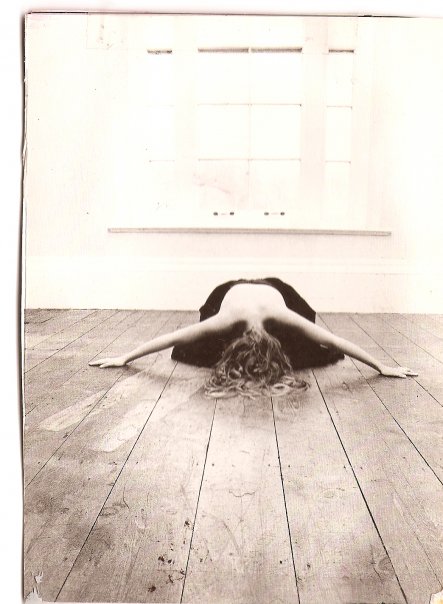
This is when the echo of unanswered questions regarding existence resurfaces. In extreme situations this will manifest as crisis of ones purpose, destiny and faith. Existentialist’s search for meaning in love and life. fundamental questions to explore this process and offer solutions are:
Who am I? What am I allowing to define me? What is this creation? What is my relationship to it? What is my purpose? How should I live?
A human being is part of the whole; he may believe that his thoughts and feelings are separate from others, but this is a delusion of his consciousness. Socrates called himself “the midwife of men’s thoughts.” His words of wisdom continue to resonate: “An examined life is not worth living.”
UNLIMITED UNIVERSALITY Generosity of spirit, unflinching honesty, and inclusiveness — all shaped by the universal recovery movement — form the foundation of my daily sevā practice: recovery, healing, connection, community, and love.
For me, as a woman in long-term sobriety, the universal recovery fellowship community has become a continuum of conscious contact with a God of my understanding, and my spiritual practice remains grounded in prayer, meditation, service, and love.
September 1991 I came home to England after living for many years in NYC, to study, train and and eventually work as a psychotherapist specializing in addiction. Jung believed the psyche/soul and therapist/holistic healing to be multidimensional. I simply wanted to continue answering the call of my soul.
SAVERSHAM